Theraprints: Head of Engineering & Operations
Led development of 10+ custom 3D-printed rehabilitation devices, from CAD design through fabrication and delivery to partner therapy centers.
- Role
- Head of Eng. & Ops
- Timeline
- Apr 2023 – Apr 2025
- Status
- Completed
- Stack
- CAD, 3D Printing
Overview
Theraprints is a youth-led nonprofit based in New Jersey that designs and 3D-prints personalized rehabilitation devices for seniors at local rehab centers, things like grip strengtheners, walker attachments, and wheelchair accessories that usually aren't worth a manufacturer's time to custom-build for one patient but make a real difference for the person who needs them.
As Head of Engineering & Operations, I led the team responsible for turning patient and clinician needs into fabricated, functional devices, from the first intake conversation with a center's staff through the printed part landing in a patient's hands.
My Role
I owned product development end to end, from initial CAD modeling through fabrication, functional testing, and delivery, while coordinating directly with 2 partner centers to translate clinician and patient feedback into design changes. That also meant setting the team's fabrication schedule around print-bed availability, since print capacity, not engineering time, was usually the actual bottleneck.
Technical Approach
Designed, prototyped, and delivered 10+ custom 3D-printed rehabilitation devices to 2 partner centers, producing 5+ prototype iterations per device to improve ergonomics and durability while maintaining consistent quality across different patients' needs.
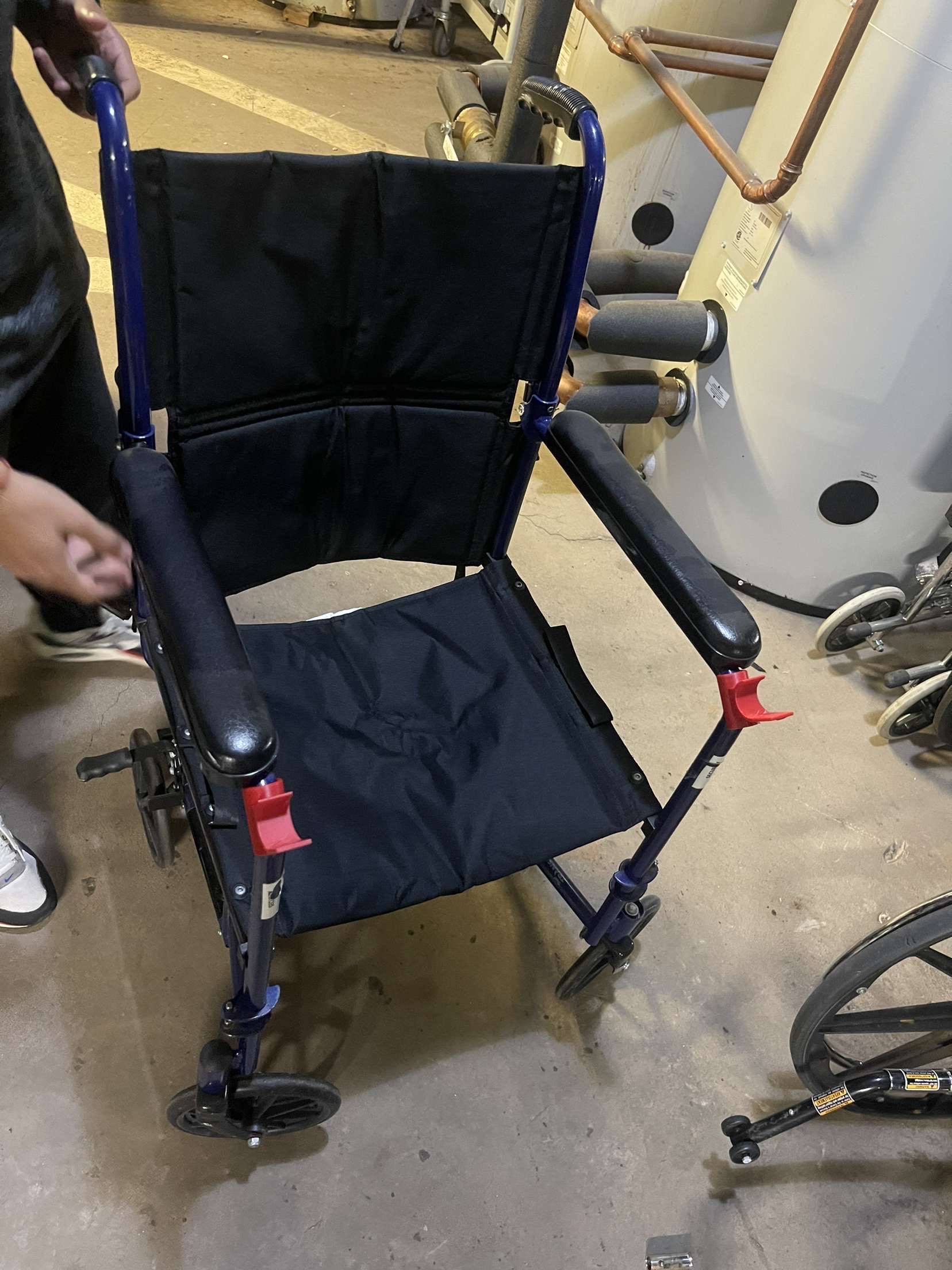
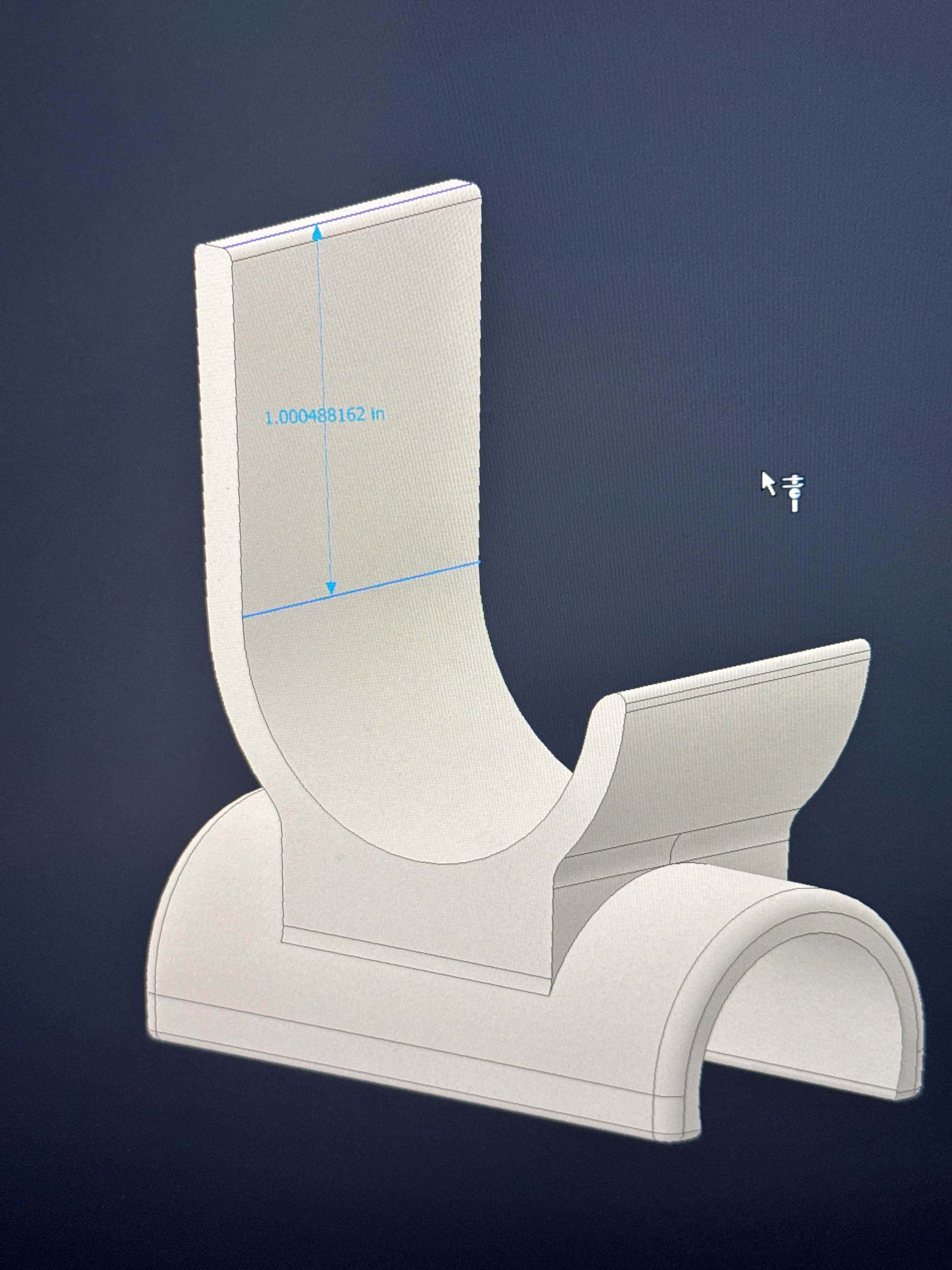
The cane holder pictured is just one device out of that 10+. The rest weren't cane-holder variants; they were entirely different products: grip strengtheners, walker attachments, and other wheelchair accessories, each solving a different patient need. What the cane holder does illustrate is the customization problem underneath all of it: wheelchair armrests aren't standardized across manufacturers, so even within that single device, the mounting base and the curve of the channel that grips the cane had to be re-modeled for each chair it went on, not printed once and handed out.
Challenges
Each device had to be individualized to a specific patient's needs while still being manufacturable and consistent in quality. That's a tension between customization and repeatability, and a small team had to manage it across every device, not just once. A design that worked perfectly for one wheelchair model often didn't transfer cleanly to the next, so even a seemingly minor device usually needed a real design pass rather than a quick resize.
Outcome
Converted direct feedback from 2 partner centers into measurable design updates and final releases, shipping 10+ devices used in real rehabilitation settings, with several going through multiple field-feedback revisions after their first delivery.